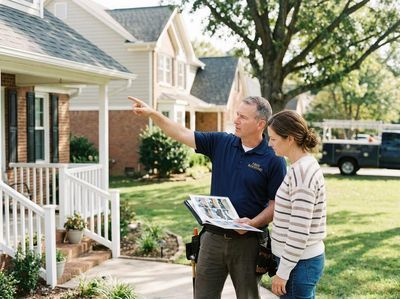
Regular roof inspections are a critical step in maintaining the longevity and integrity of your home or commercial property. Understanding what happens during this process can help you feel more prepared and confident in the health of your roof. At Frye Roofing, we believe in transparent communication, ensuring our customers in Bluefield, WV, and the surrounding Virginias know exactly what to expect when our experienced team arrives.
Scheduling Your Inspection and Initial Discussion
The journey begins when you contact a trusted roofing company. After you reach out, we'll schedule a convenient time for one of our skilled professionals to visit your property. During this initial phase, we gather essential information about your concerns, whether you've noticed a specific leak, suspect storm damage, or are simply due for a routine check-up. This helps our roofer prepare for the specific challenges your roof might present, ensuring a more efficient and targeted inspection from the start.
The Exterior Assessment: What the Eye Can See
Once on site, the roofer will begin a comprehensive exterior examination. This involves a thorough visual inspection of all accessible areas of your roof. They will look for common indicators of wear and tear, such as missing, cracked, or curled shingles. Flashing around chimneys, skylights, and vents will be checked for proper sealing and potential points of water entry. The condition of gutters and downspouts will also be assessed, as blockages or damage here can lead to water pooling and accelerated roof deterioration. Additionally, the inspector will examine the overall structure for sagging, signs of impact damage, or areas where granules are significantly worn off, indicating aging. This meticulous process is vital for identifying issues that might otherwise go unnoticed.
Diving Deeper: Interior and Attic Examination
A complete roof inspection often extends beyond the exterior. If accessible, our inspector will also examine the interior of your attic and other spaces directly beneath the roof. Here, they will look for signs of water intrusion, such as stains on the ceiling or insulation, mold growth, or damp wood. They will also assess the ventilation system, as inadequate attic ventilation can trap heat and moisture, leading to premature roof aging and increased energy bills. Structural components like rafters and decking are also checked for integrity and any signs of rot or damage that could compromise the roof's stability. This interior review provides crucial insights that complement the exterior findings.
Understanding the Findings and Next Steps
After completing both the exterior and interior assessments, the roofer will compile their findings. They will then present you with a detailed report, clearly outlining any identified issues, complete with photographic evidence if necessary. This discussion will cover the severity of any problems and explain the recommended solutions. Depending on the extent of the damage or wear, these recommendations could range from minor roof repair to more extensive options like a full roof replacement. Our goal is to ensure you understand the condition of your roof and the best course of action to protect your investment for years to come.
Understanding the roof inspection process empowers you to make informed decisions about your property’s most crucial protective layer. Whether you're considering a new residential roofing project or need an assessment of your current structure, a thorough inspection is the foundation of a durable and reliable roof. To learn more about maintaining your roof’s health and to schedule a professional inspection, contact Frye Roofing today for a free estimate.