
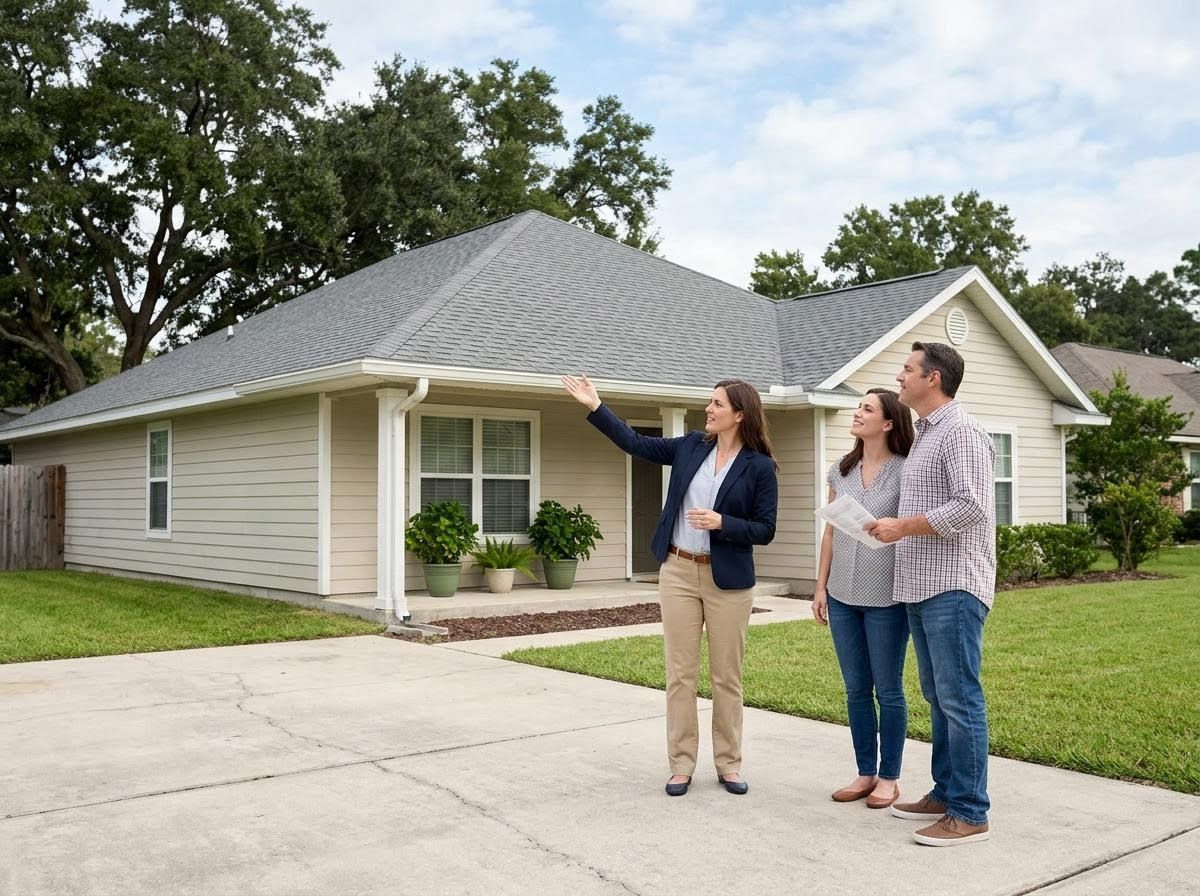
Optimizing your home's energy performance often starts from the top down, specifically with your roof. A well-designed and properly maintained roof can significantly impact your heating and cooling costs, contributing to a more comfortable and sustainable living environment. At Frye Roofing, we understand the critical role your roof plays in overall energy efficiency, and we're here to help you unlock its full potential.
Understanding the Roof's Role in Energy Efficiency
Your roof acts as a primary barrier against external elements, including temperature extremes. It's the first line of defense against heat gain in the summer and heat loss in the winter. Effective insulation and proper ventilation within your attic space are crucial components that work in conjunction with your roofing materials to regulate indoor temperatures. A good system prevents heat from radiating into your living spaces during warmer months and minimizes thermal bridging that allows warmth to escape when it's cold, directly impacting the workload of your HVAC system.
Smart Material Choices for Greater Savings
When considering a new roof or a roof replacement, the materials you choose can dramatically affect your home's energy footprint. Modern advancements offer a range of energy-efficient options, from reflective asphalt shingles designed to bounce sunlight away, to cool roofs that incorporate special coatings. Materials like standing seam metal roofing or synthetic slate often have inherent properties that contribute to better thermal performance. These choices, beyond just aesthetics, play a vital role in reducing the amount of heat absorbed by your home, leading to lower air conditioning demands and long-term utility bill savings for residential roofing.
The Impact of Professional Installation and Maintenance
Even the most energy-efficient materials won't perform optimally without expert installation. Gaps, improper ventilation, or poor sealing can undermine your roof's ability to insulate and regulate temperature, leading to wasted energy. Regular roof repair and maintenance are equally important. Small issues like cracked shingles, damaged flashing, or blocked vents can escalate, compromising your roof's integrity and its energy-saving capabilities. A proactive approach by a reliable roofer ensures that your roof continues to function as an efficient thermal barrier, year after year.
When a Roof Replacement Becomes an Energy Upgrade
For older roofs, especially those past their prime, achieving significant energy efficiency gains through repairs alone might be challenging. An aging roof can have deteriorated insulation properties, be prone to leaks that damage underlying structures, or simply lack the advanced energy-saving features of newer materials. In such cases, a complete roof replacement by a reputable roofing company can be a wise investment. It's an opportunity to integrate the latest energy-efficient technologies, ensuring your home benefits from improved thermal performance, reduced energy consumption, and enhanced protection for decades to come.
Maximizing your roof's energy efficiency potential is a smart investment that pays dividends in comfort, cost savings, and environmental impact. By understanding the interplay of materials, proper installation, and ongoing care, you can ensure your roof works hard to keep your home comfortable year-round. To explore the best roofing solutions for your energy-saving goals, contact us to learn more about our comprehensive services.