
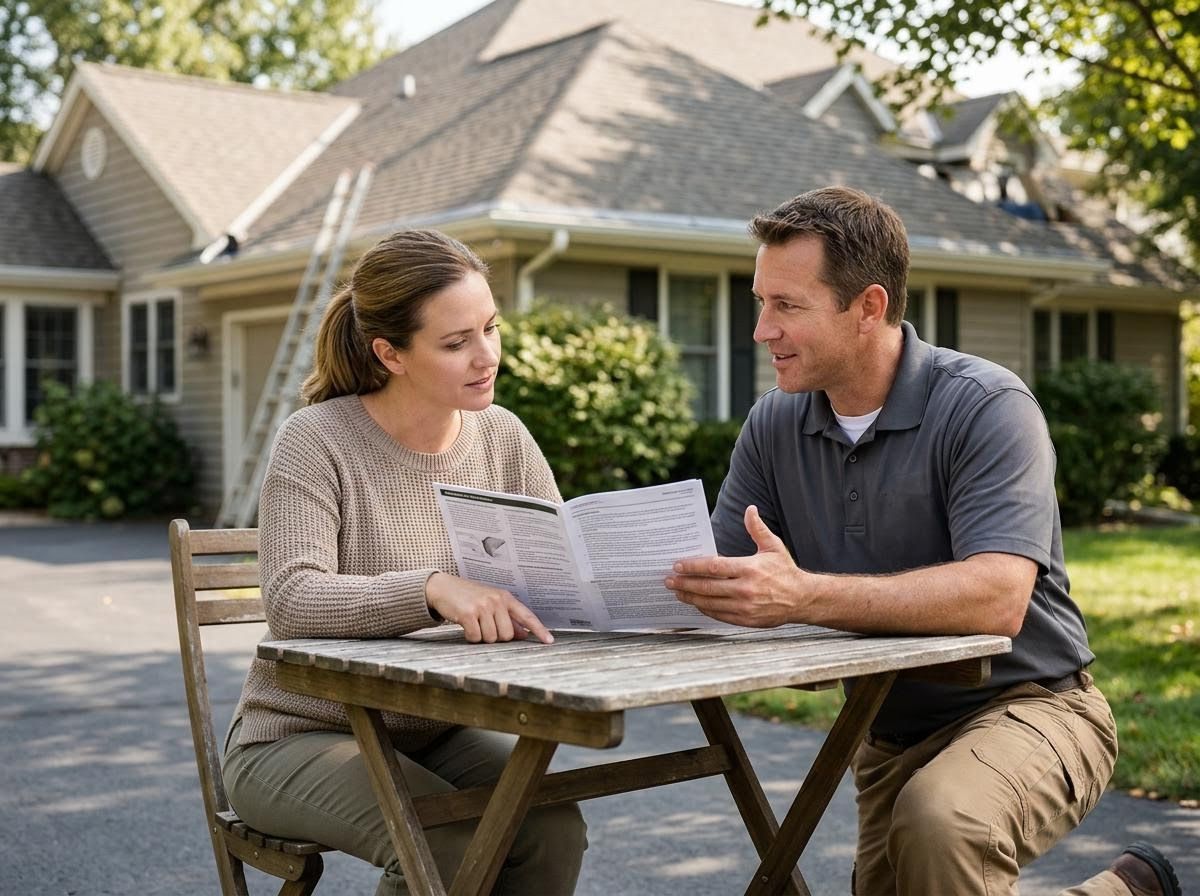
Understanding the fine print of a roofing warranty can feel like decoding a complex puzzle, yet it's a critical component of protecting your investment. For over a century, Frye Roofing has guided homeowners and businesses through the nuances of robust roofing solutions, ensuring peace of mind long after installation. A well-understood warranty is your safeguard against unexpected issues, providing assurance in the quality and longevity of your new roof. Knowing what to look for can prevent future headaches and expenses. Let's explore the essential aspects of roofing warranties.
Manufacturer vs. Workmanship Warranties
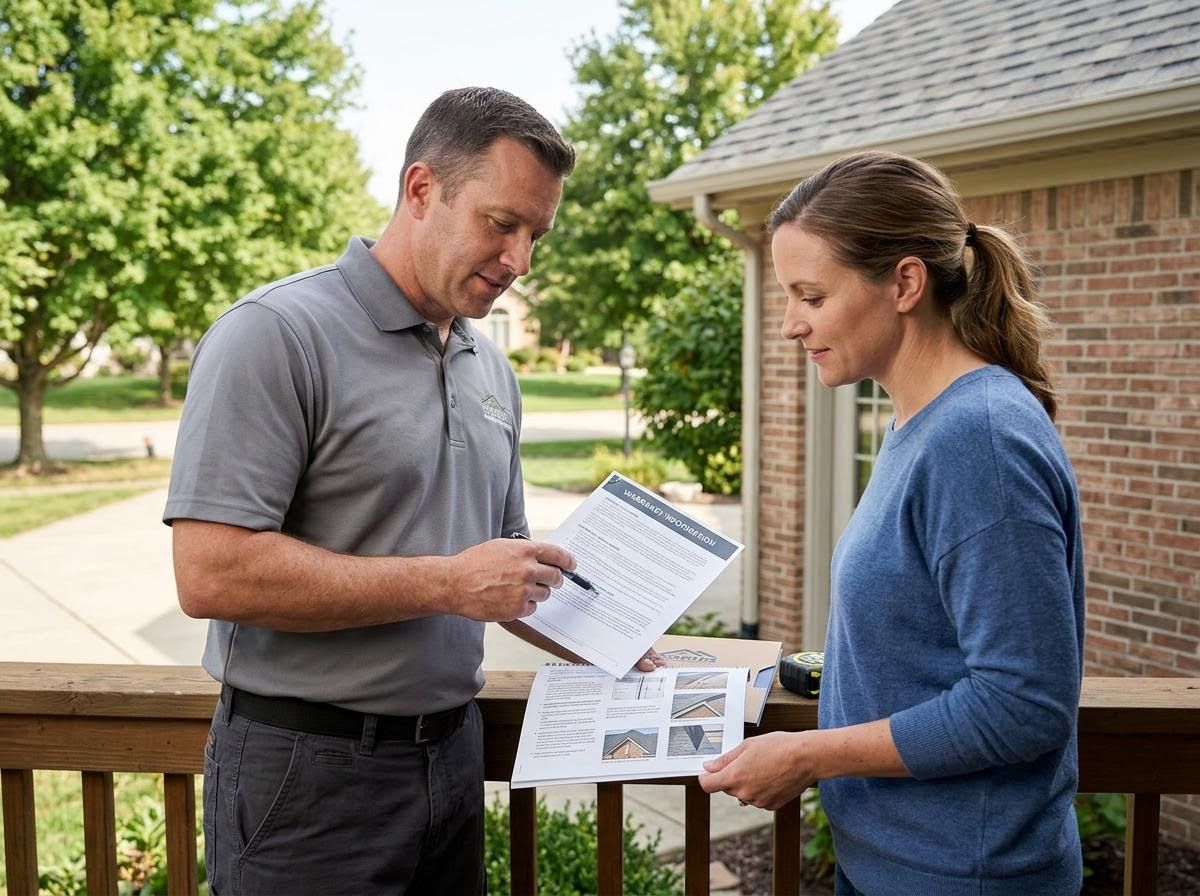
When you invest in a new roof, you're typically looking at two primary types of warranties: the manufacturer's warranty and the contractor's or workmanship warranty. The manufacturer's warranty covers the roofing materials themselves, such as shingles, underlayment, and other components, against defects in manufacturing. These warranties can vary significantly in length and coverage, often ranging from 20 years to a lifetime. On the other hand, the workmanship warranty is provided by the roofer who installs your roof. This warranty covers the installation itself, ensuring that the roof was put on correctly and will perform as expected. A reliable roofing company stands behind its work, offering a solid workmanship warranty to guarantee proper installation practices.
What Your Roofing Warranty Covers (and Doesn't)
It’s crucial to understand the specifics of what a roofing warranty entails. Most manufacturer warranties cover material defects, which means if the shingles prematurely crack, delaminate, or fail due to a manufacturing flaw, the company will cover replacement materials. Workmanship warranties cover issues directly related to how the roof was installed, such as improper fastening, flashing errors, or sealing failures that lead to leaks. However, warranties typically do not cover damage from external forces like severe weather (hail, high winds, falling trees), unauthorized alterations to the roof, or neglect and improper maintenance by the homeowner. Always review the exclusions carefully, as they can significantly impact your coverage. Understanding these boundaries is key, especially when considering any roof repair needs.
The Role of a Trusted Roofer in Warranty Protection
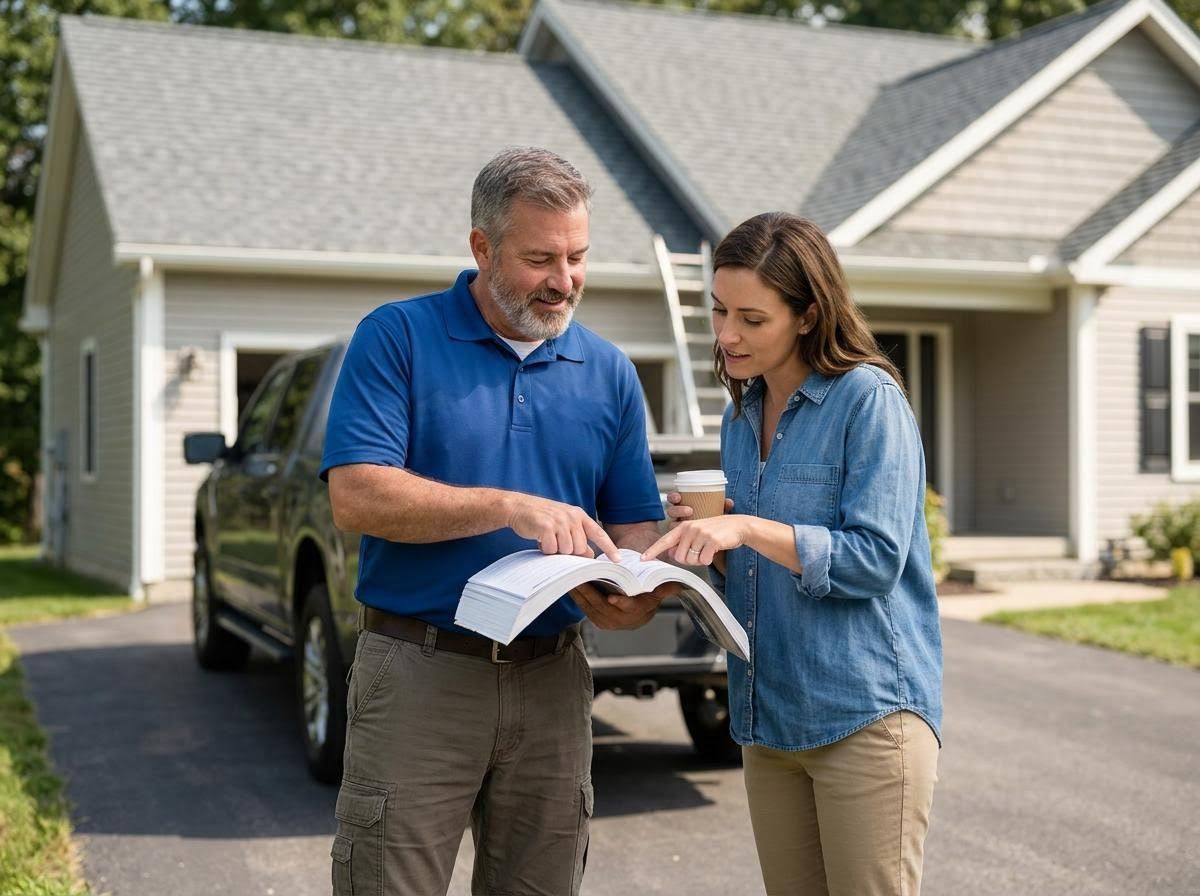
The roofer you choose plays a pivotal role in the validity and efficacy of your roofing warranty, particularly for residential roofing projects. Many premium manufacturer warranties, especially extended or enhanced versions, require the installation to be performed by a certified or authorized contractor. For instance, being a GAF Master Elite certified installer means a roofing company has met rigorous standards and can offer some of the strongest warranty protections available from the manufacturer. When a roofer is not properly certified or uses improper installation techniques, it can void your manufacturer's warranty, leaving you exposed to costly repairs or a full roof replacement down the line. Choosing an experienced and reputable roofer not only ensures a high-quality installation but also guarantees that your warranty remains intact and fully honored.
Navigating the world of roofing warranties doesn't have to be daunting. By understanding the different types of warranties, what they cover, and the importance of choosing a certified and experienced roofer, you empower yourself to make informed decisions for your home or business. Frye Roofing is dedicated to delivering not only superior roof replacement and roof repair services but also the clarity and confidence that come with comprehensive warranty protection. To learn more about your specific roofing warranty options and ensure lasting protection for your property, connect with our experts today.